
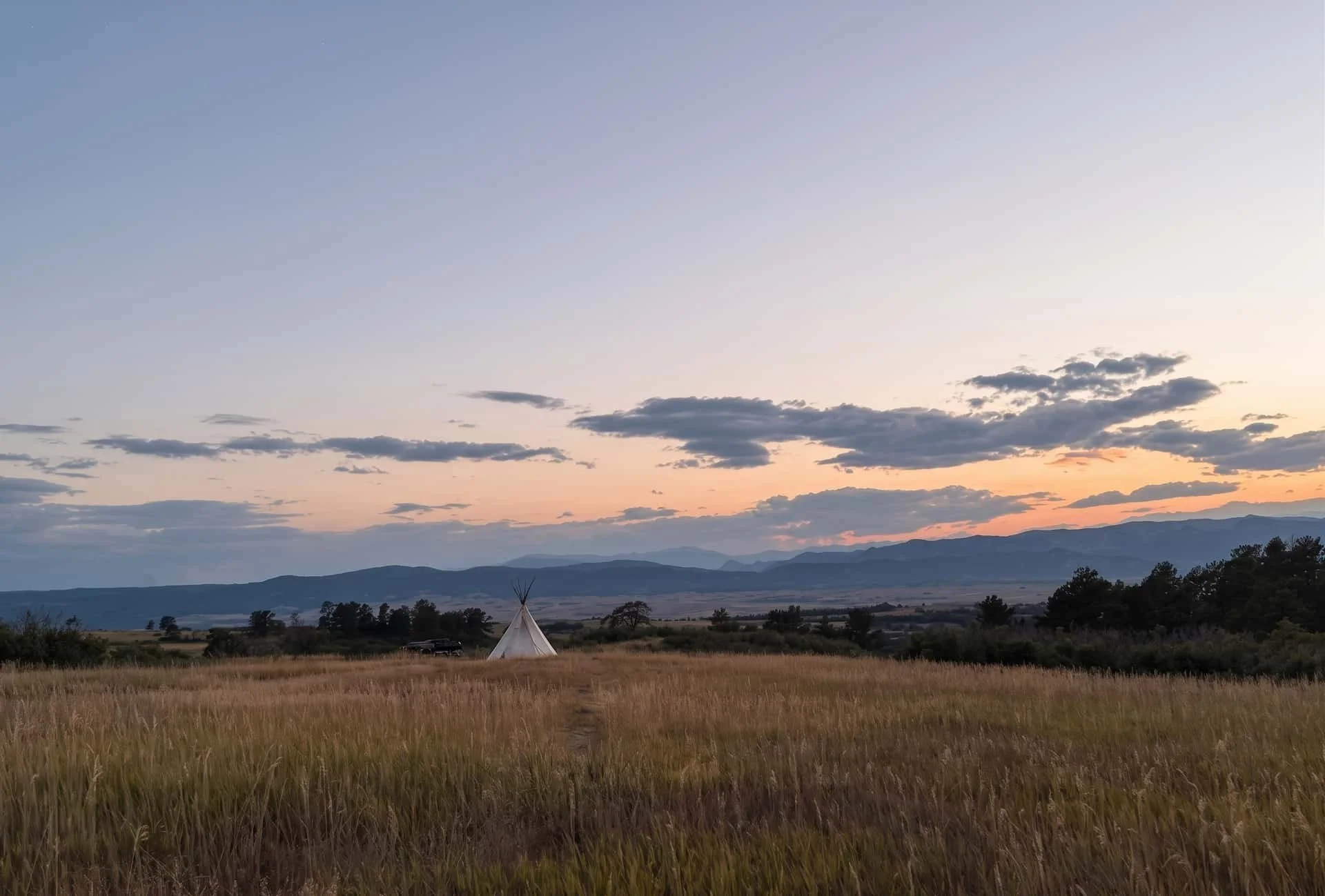
THE TALLBULL LEGACY
Tallbull Family History
The Tallbull name has stood for courage, community, and Native American cultural advocacy for over 150 years.
1830 – 1869
Chief Tall Bull
(Hotóa’ôxháa’êstaestse)
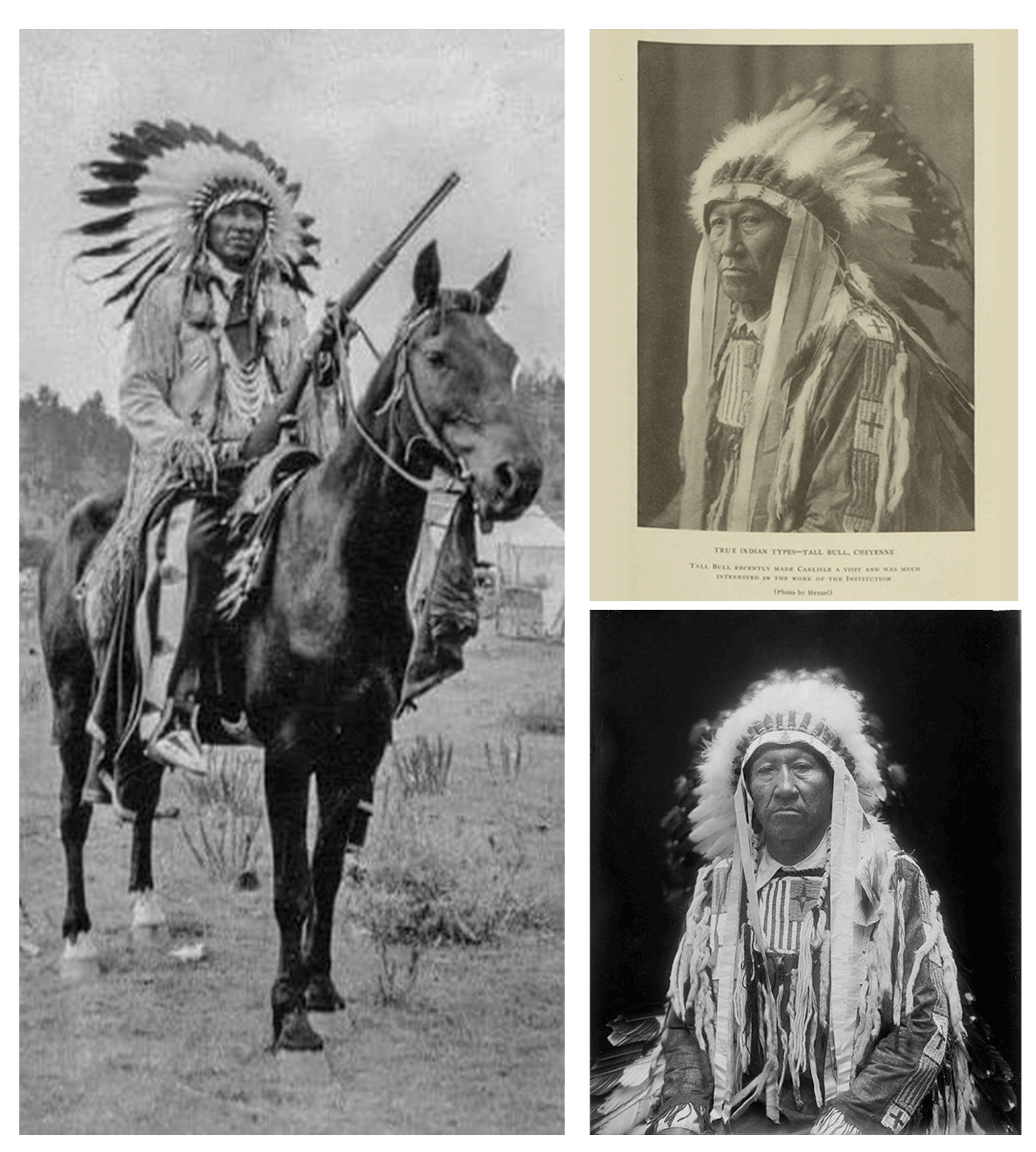
c. 1830 – July 11, 1869 · Cheyenne Dog Soldiers · Battle of Summit Springs, Colorado
There is no photo on record of Chief Tall Bull, per the Tallbull Family. Photos found online are of Jacob Tall Bull. (Attribution below)
Chief Tall Bull was a leader of the Cheyenne Dog Soldiers; the most disciplined and formidable warrior society of the Southern Cheyenne nation. Born of Cheyenne and Lakota parentage, he rose to become one of the most respected voices among his people during one of the most turbulent chapters in American history.
By 1864, Chief Tall Bull led a community of nearly 500 people across eastern Colorado and western Kansas. During this period the U.S. government was aggressively pushing Indigenous nations off ancestral lands. He participated in the resistance that followed the Sand Creek Massacre of 1864, but eventually stepped back from armed conflict when he recognized the devastating cost to his people.
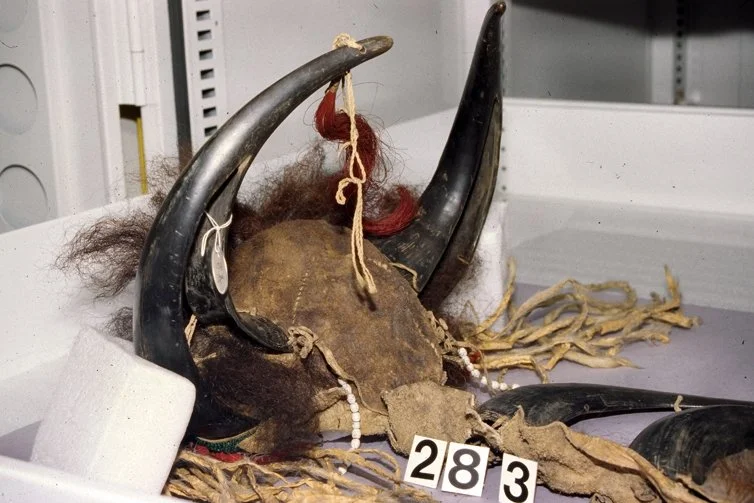
Chief Tall Bull’s Headdress. Courtesy amertribes.proboards.com
At peace councils in 1867, Chief Tall Bull stood before soldiers and government representatives to make a simple, principled argument: that the Cheyenne people had the right to their own land, and that lasting peace required justice, not removal. He was known not only for his strength in battle, but for his restraint. During one tense peace council, he personally intervened to prevent bloodshed, pulling back a confrontation that could have turned fatal.
On July 11, 1869, Chief Tall Bull was killed in the Battle of Summit Springs on the Colorado plains. The battle effectively ended the organized resistance of the Dog Soldiers. He was survived by a legacy that his family would carry forward for generations.
“Nāh mē ōn, nā; ni nist’? — My love, it is I who am singing; do you hear me?”
— Chief Tall Bull, Wolf Song preserved in the Cheyenne oral tradition
1918 – 2002
Richard “Carries the Arrow” Tallbull
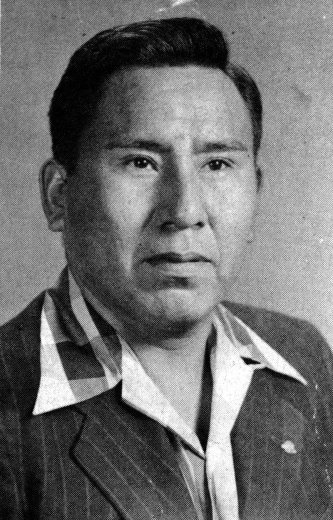
August 10, 1918 – 2002 · Denver, Colorado · White Buffalo Council
Richard Tallbull, Indian Times 10th Anniversary Edition 1965. Courtesy history.denverlibrary.org
Richard Tallbull was born in Clinton, Oklahoma, the great-grandson of Chief Tall Bull. He carried the name and the responsibility into a rapidly changing twentieth century. A member of the Southern Cheyenne, Richard served in the United States military beginning in 1942, where he was asked to consolidate his family name from two words to one. He kept it as Tallbull for the rest of his life.
In 1961, Richard, his wife Gertrude (“Walking Woman”) Lonebear, and their three children moved to Denver. They were apart of a wave of Native families arriving in U.S. cities under the federal Indian Relocation Act. That Act offered Indigenous people a bus ticket and a small sum of money to leave their reservations and rebuild lives in unfamiliar cities, far from their land, language, and traditions. Rather than accept displacement as defeat, Richard became one of Denver’s most dedicated community builders.
The White Buffalo Council
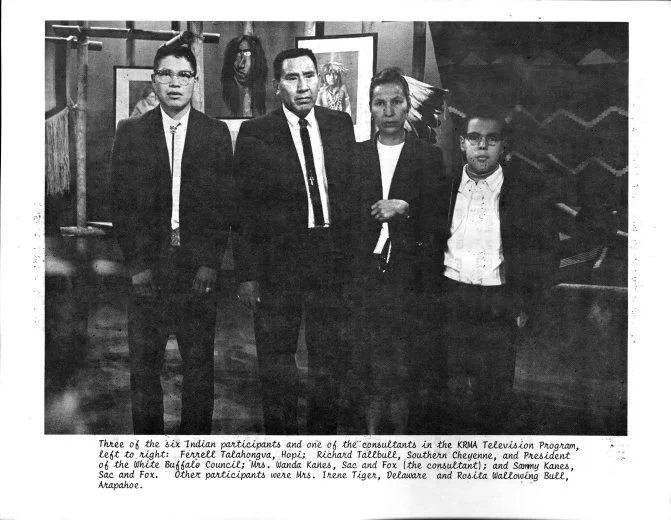
White Buffalo Council, Indian Times November 1966. Courtesy history.denverlibrary.org
As soon as Richard arrived in Denver, he became a leading voice in the White Buffalo Council — an organization serving the fast-growing Native American community in the city. He published the Indian Times newsletter, organized civil rights actions, and held powwows and cultural gatherings that kept traditions alive on urban ground.
Tall Bull Grounds (1974)
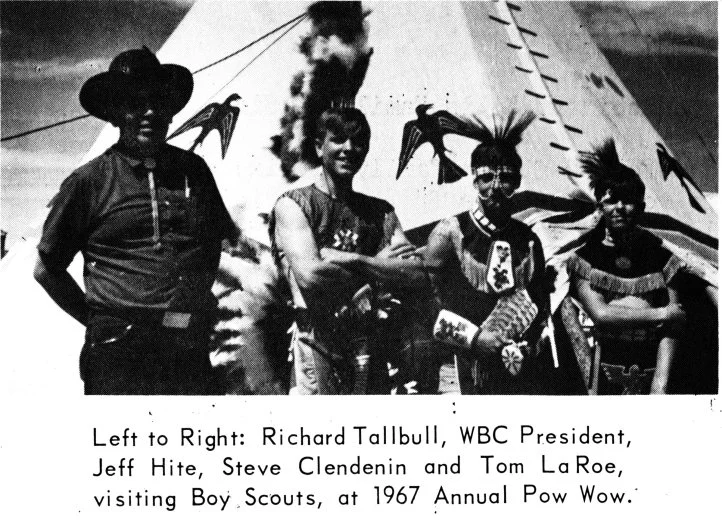
Annual Powwow, Indian Times October 1967. Courtesy history.denverlibrary.org
In 1974, Richard partnered with Denver Mayor McNichols to establish 60 acres near Daniels Park for Indigenous ceremonies and powwows. That land was named Tall Bull Grounds — honoring Chief Tall Bull, Richard’s great-grandfather, who had been killed by the U.S. Cavalry on Colorado soil just over a century earlier.
Denver Museum of Nature and Science
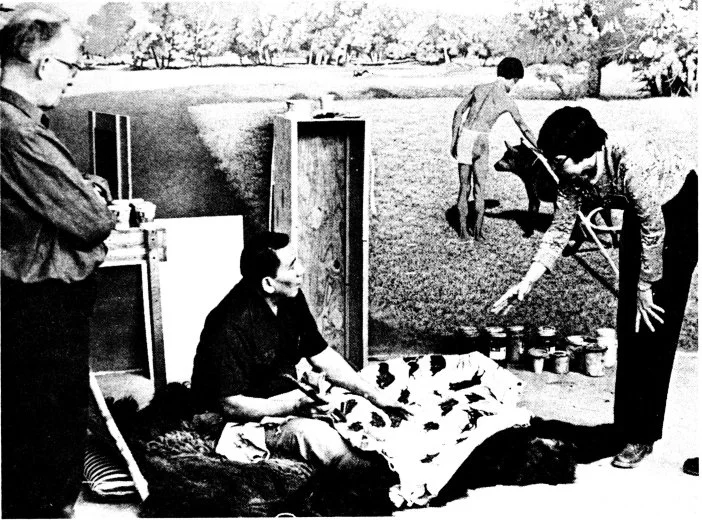
Richard Tallbull installing Exhibit at Denver Museum of Nature and Science, Indian Times 1980. Courtesy history.denverlibrary.org
Richard also worked closely with the Denver Museum of Nature and Science — designing exhibits depicting Cheyenne life on the Great Plains and personally overseeing the construction of a traditional teepee within the museum. In 1999, the Museum honored him with the Elder Award. He died in 2002. Every hour outside of work was devoted to keeping his people together — on the land, in the city, and across generations.
“Let us not widen the gap between those of us ‘on the reservation or in Indian communities’ and those of us in ‘urban areas.’”
— Richard Tallbull, Indian Times, December 1972
References
Carlisle Indian School Digital Resource Center
https://carlisleindian.dickinson.edu/images/true-indian-types-tall-bull-cheyenne
Legends of America
https://www.legendsofamerica.com/we-billtilghman/
American Tribes
https://amertribes.proboards.com/thread/658/tall-bulls-headdress?utm_source=google&utm_medium=organic
Indian Times (1970-2000)
White Buffalo Council of American Indians, Denver Issues: v,10-18 (1970-2000)
Denver Library
https://history.denverlibrary.org/colorado-biographies/richard-tallbull-1918-2002
EST. 2025
The Work Continues.
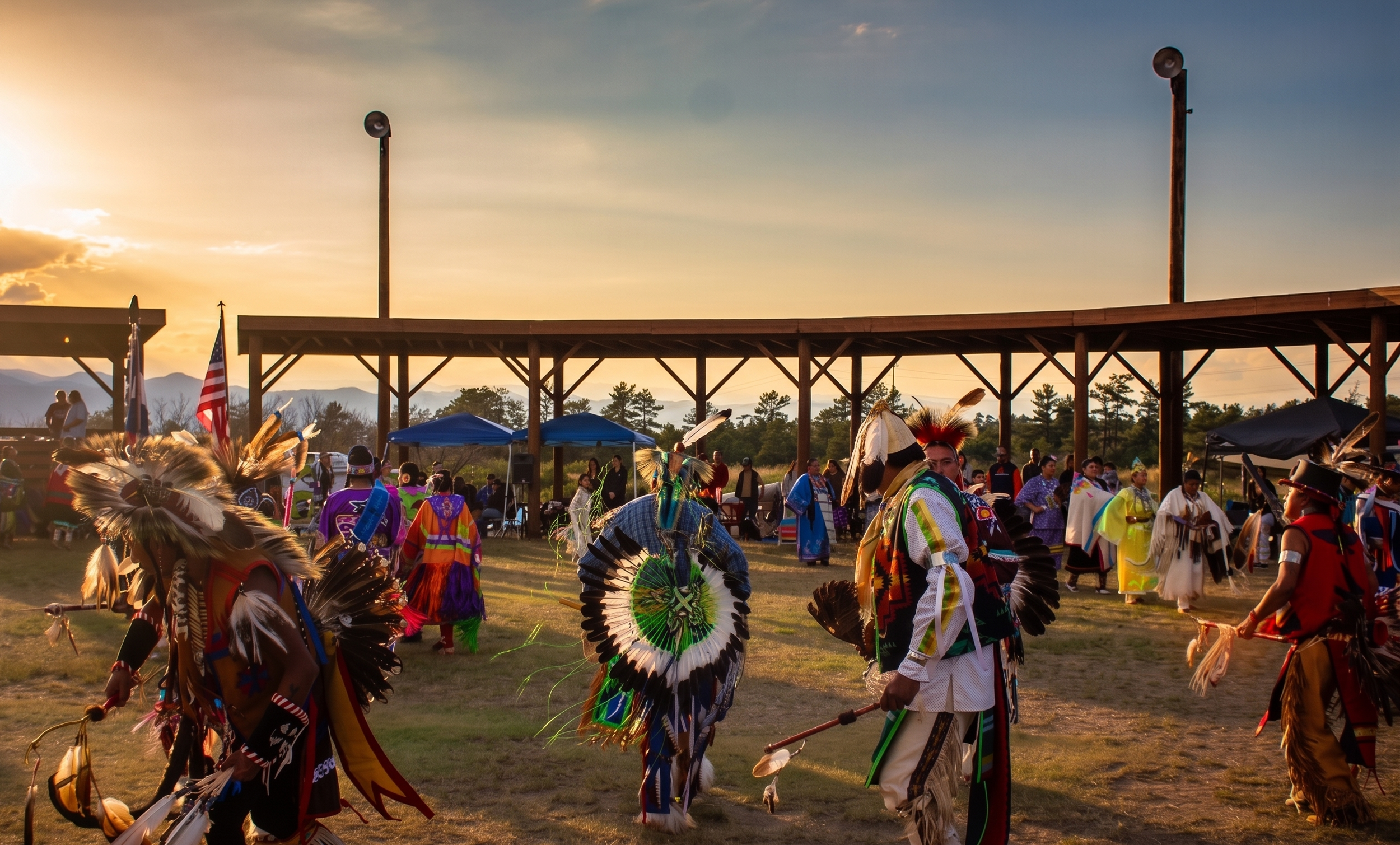
Today, the Tallbull Group carries that same mission forward — preserving American Indian culture, growing the powwow tradition, empowering Indigenous youth, and bridging communities across Colorado. From Chief Tall Bull’s stand on the Colorado plains, to Richard Tallbull’s decades of service in Denver, to the ceremonies held on this land today — this is not a story of the past. It is a living inheritance.
PRIVATE PROPERTY — TALLBULL GROUP HEADQUARTERS
Tallbull Grounds, the private headquarters of Tallbull Group, is not accessible to the general public. All visits — whether for events, ceremonies, or personal gatherings — must be arranged in advance through Tallbull Group reservation process. Do not arrive without a confirmed reservation.